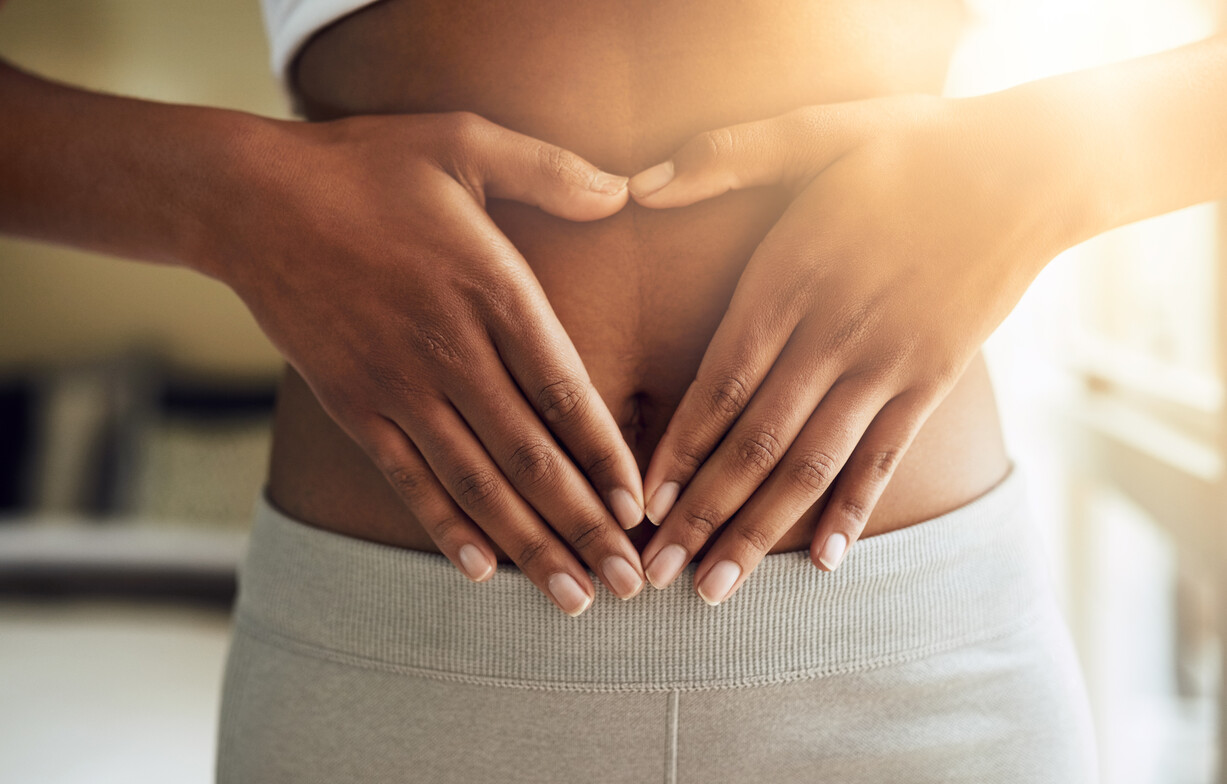
If you feel bloated most days- uncomfortable, distended, or like your clothes fit differently by the afternoon, you’re not alone. Chronic bloating is one of the most common digestive complaints we see in practice.
The good news? Bloating is usually manageable once we identify the underlying cause.
Let’s break down what bloating actually is and the most common reasons it happens.
What Is Bloating?
Bloating is the sensation of abdominal pressure, fullness, or visible distention. It can be caused by:
- Excess gas
- Altered gut motility (how food moves through your system)
- Visceral hypersensitivity (heightened gut sensitivity)
- Fluid shifts
- Hormonal changes
Importantly, bloating does not always mean you are “eating the wrong foods.”
Constipation (Even Mild)
One of the most overlooked causes of bloating is incomplete bowel movements. You don’t have to go days without a bowel movement to be constipated, even daily stools can be incomplete.
When stool lingers in the colon, it increases fermentation and gas production, leading to distention and pressure. Chronic constipation is strongly associated with bloating in both adults and adolescents.
Signs this may be your cause:
- Feeling of incomplete evacuation
- Straining
- Hard stools
- Needing coffee or laxatives to go
IBS (Irritable Bowel Syndrome)
Bloating is a hallmark symptom of IBS, especially IBS-C and IBS-M. Research shows that up to 90% of people with IBS report bloating.
In IBS, bloating is often related to:
- Altered gut-brain signaling
- Increased sensitivity to normal gas volumes
- Changes in gut motility
The issue is not always “too much gas,” but how your body perceives it.
Eating Too Little (Yes, Really)
Chronic under-eating can slow digestion. When the body doesn’t receive adequate energy consistently, gastric emptying and intestinal motility can decrease.
This can lead to:
- Delayed digestion
- Increased fermentation
- Constipation
- Persistent bloating
This is especially common in people who:
- Diet frequently
- Skip meals
- Overexercise
- Have a history of restrictive eating
Rapid Eating & Air Swallowing
Eating quickly, chewing gum, drinking carbonated beverages, or talking while eating can increase swallowed air (aerophagia), contributing to bloating.
This type of bloating tends to:
- Appear soon after meals
- Improve overnight
- Fluctuate throughout the day
High FODMAP Intake
FODMAPs are fermentable carbohydrates found in foods like onions, garlic, beans, wheat, apples, and dairy (in lactose-sensitive individuals).
They are not “bad”, but in sensitive individuals, they can increase gas production.
A low-FODMAP diet has been shown to reduce bloating in people with IBS. However, it is not meant to be long-term without professional guidance.
Hormonal Fluctuations
Many women notice increased bloating during the luteal phase of the menstrual cycle due to progesterone-related changes in gut motility and fluid shifts.
If your bloating worsens premenstrually, hormones may play a role.
Pelvic Floor Dysfunction
If the abdominal wall and pelvic floor muscles do not coordinate properly, gas can become trapped, causing visible distention. This is more common than many people realize.
Symptoms may include:
- Difficulty passing gas
- Incomplete bowel movements
- Bloating that worsens throughout the day
The Bottom Line
Chronic bloating is rarely about “willpower” or simply eating “too much.” It’s often a combination of:
- Motility issues
- Gut sensitivity
- Hormones
- Eating patterns
- Stress
Identifying the true driver is key. Cutting more foods is not always the answer, and in many cases, it can make things worse.
If bloating is affecting your quality of life, working with a registered dietitian can help you address the root cause without unnecessary restriction.
Still Bloated? Let’s Figure Out Why.
If you’re constantly bloated, uncomfortable, or frustrated with your digestion, you don’t have to keep guessing or cutting out more foods on your own.
As registered dietitians at All Health Nutrition in North Vancouver, we help clients get to the root cause of bloating using an evidence-based, non-diet approach. Whether it’s constipation, IBS, under-eating, hormonal changes, or something else entirely, we’ll create a plan that supports your digestion without unnecessary restriction.
You deserve to feel comfortable in your body again.
Book an appointment today to start addressing the underlying cause of your bloating.
References:
1. Mugie SM, et al. Childhood functional constipation and associated symptoms. Gastroenterology. 2011.
2. Lacy BE, et al. Bowel disorders (Rome IV criteria). Gastroenterology. 2016.
3. Deiteren A, et al. Effects of caloric restriction on gastric emptying and motility. Neurogastroenterology & Motility. 2010.
4. Mari A, et al. Bloating and Abdominal Distension: Clinical Approach and Management. 2019.